
Hoofed animals
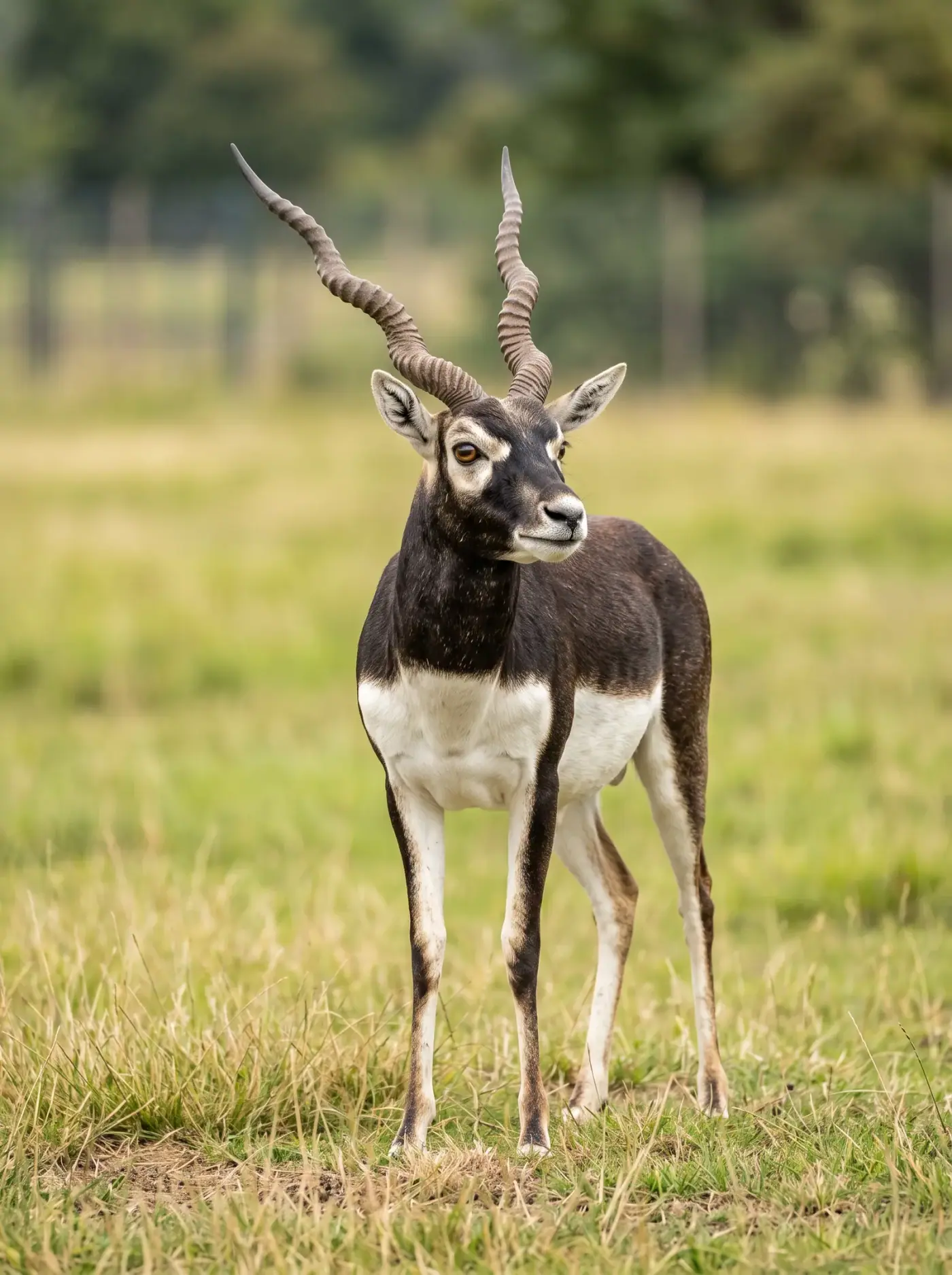
Blackbuck
Antilope cervicapra
Audio guide
Listen to the story of this animal
0:000:00
Blackbuck
- Description
- The blackbuck is a slender, elegant antelope with striking differences between the sexes. Males are dark brown to black on the back with a white belly and long, spiralling horns reaching 50-70 cm, while females and young are pale fawn and usually hornless. It is one of the fastest mammals in Asia, able to sprint at up to 80 km/h. Males stand about 74-84 cm at the shoulder and weigh around 20-57 kg.
- Habitat
- The blackbuck lives on open plains, grasslands, savannas and semi-desert regions of India, Nepal and Pakistan. It avoids dense forests and mountainous terrain, favouring areas with access to water.
- Diet
- It is a herbivore that grazes mainly on grasses but also feeds on herbs and the leaves of shrubs. In drier areas it will also take seeds and pods.
- Reproduction
- Gestation lasts about six months, after which the female gives birth to a single calf (occasionally two). Males compete for territory and mating rights.
- Lifespan
- In the wild blackbucks typically live around 10-12 years, while in human care they may reach up to 16 years.
- Did you know?
- In India the blackbuck is culturally significant and regarded as a sacred animal; in Hindu tradition it is said to draw the chariot of Lord Krishna.
Homeland & habitat
Where the blackbuck lives
Spin the globe to see where the species comes from and where it lives today.
Indian subcontinentThe blackbuck inhabits open plains, savannas and semi-desert regions of India, Nepal and Pakistan, avoiding dense forests.
Loading globe…
Native rangeIntroduced / also today
Drag to rotate · double-click to recentre on the homeland
9 facts about the blackbuck
The cards keep rotating — hover with your mouse to pause them.
- GroupHoofed animalsArtiodactyla (sudokopytníci) · Bovidae (turovití)
- Scientific nameAntilope cervicapraLatin name of the species
- Homeland & habitatOtevřené stepi, savany a polopouštní oblasti Indie, Nepálu a Pákistánu. Vyhýbá se hustým lesům a horským oblastem.
- DietPředevším traviny, byliny a listy keřů; v sušších oblastech i semena a lusky
- ReproductionBřezost trvá asi 6 měsíců a samice rodí 1–2 mláďata
- LifespanV přírodě kolem 10–12 let, v zajetí až 16 let
- Did you know…?V Indii má kulturní význam – je považována za posvátné zvíře a často se vyskytuje v chráněných oblastech.
- Where in the zooArea B — enclosures among the pools
- How many we keep♂ 0 · ♀ 2total: 2
Support the care of our animals
A symbolic adoption contributes to feeding, veterinary care and the development of the exhibits — and you get a certificate and updates about your animal.
Browse adoptionsWho you'll meet nearby
Full encyclopaedia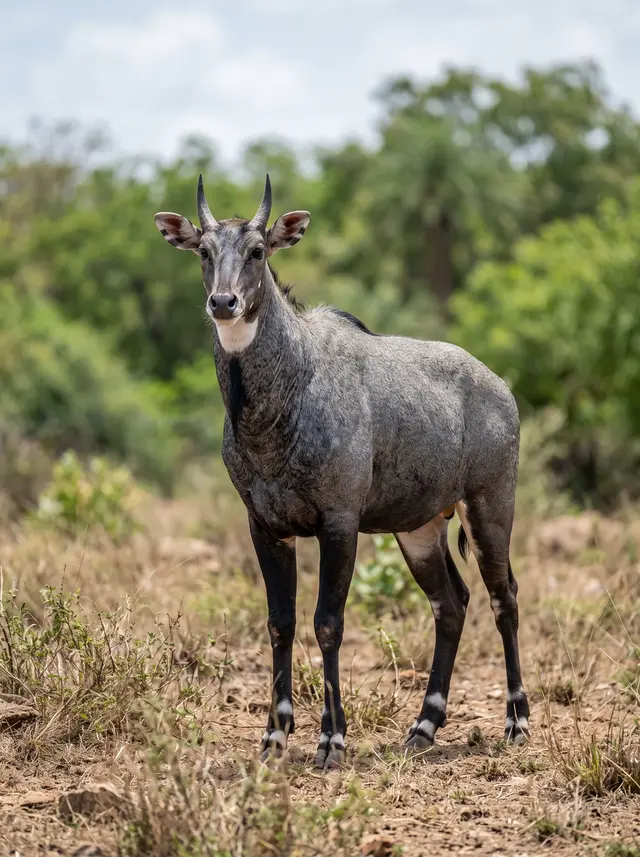
Hoofed animals
NilgaiBoselaphus tragocamelus
Hoofed animals
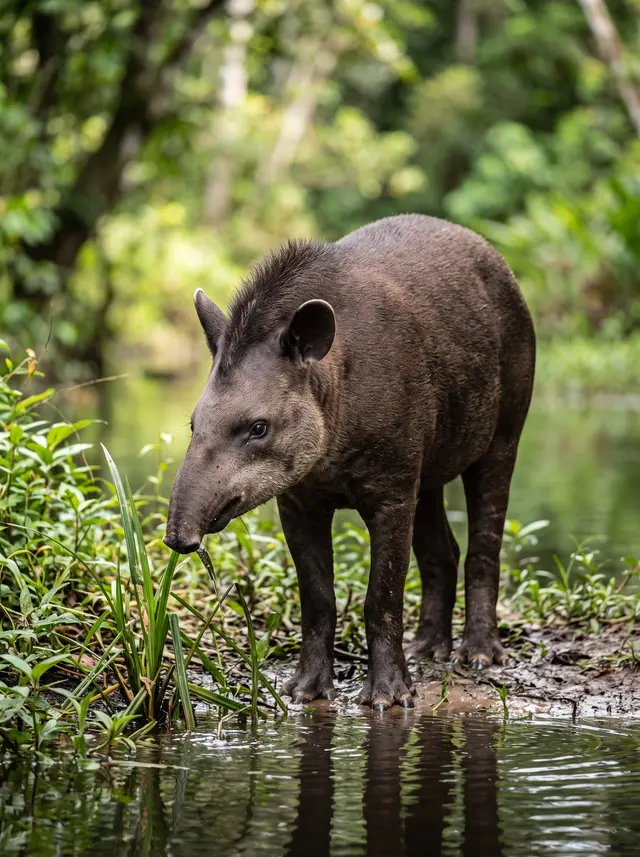
South American TapirTapirus terrestrisFeedingRegular schedule until 9 October 2026Fri–Sun · 10 Oct–1 Nov 2026: weekends only, times at the entrance.
Hoofed animals
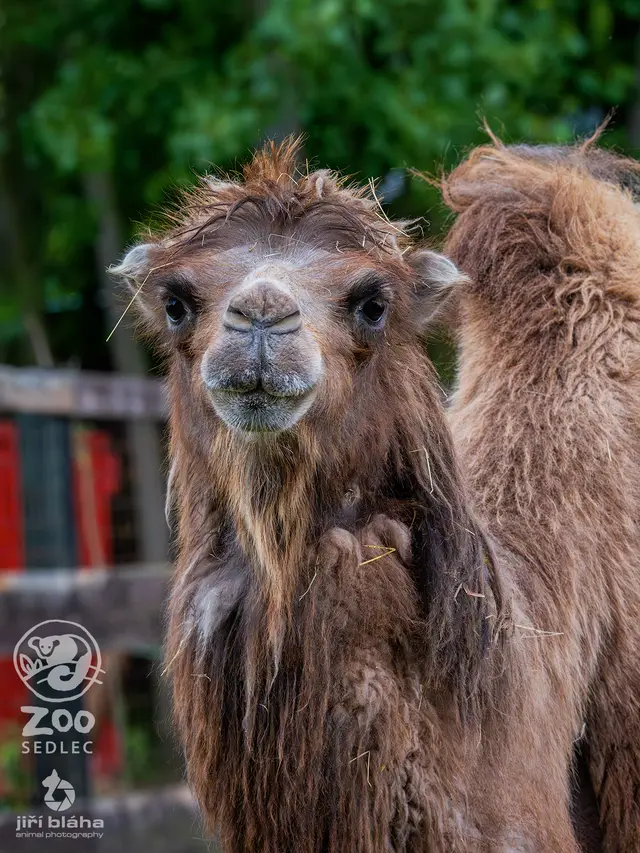
Bactrian CamelCamelus bactrianusFeedingRegular schedule until 9 October 2026Tue · 10 Oct–1 Nov 2026: weekends only, times at the entrance.
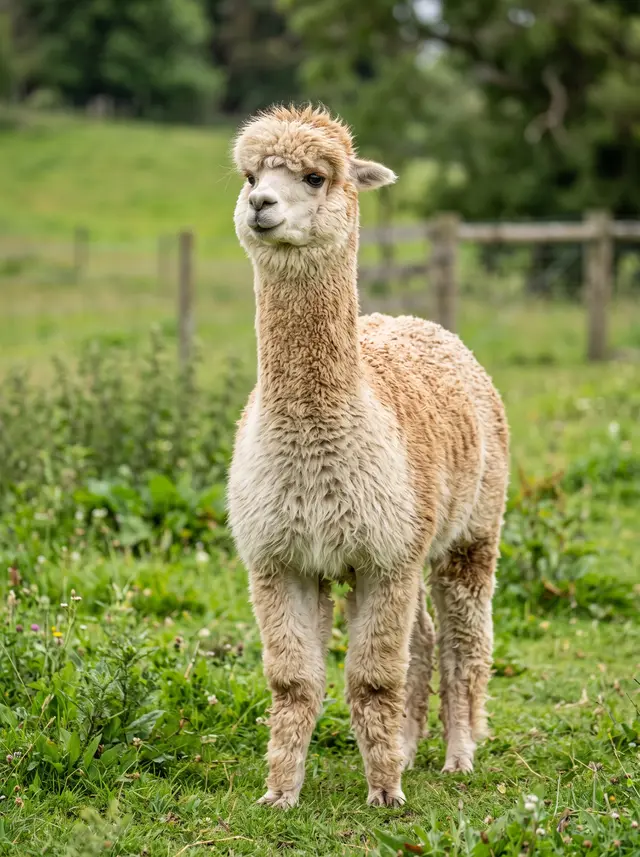
Hoofed animals
AlpacaLama guanicoe f. pacos