Birds
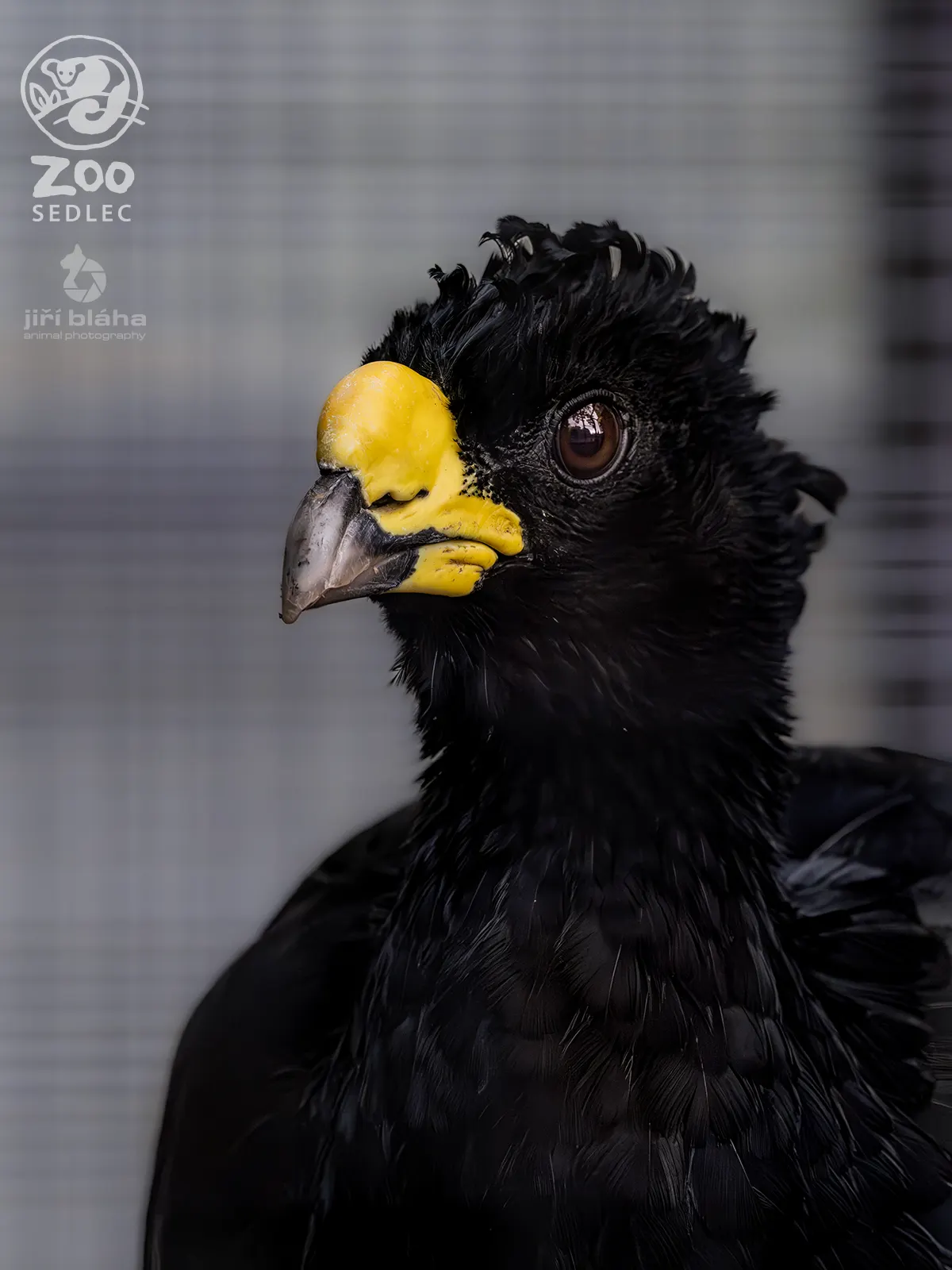
Great curassow
Crax rubra
IUCN Red ListVulnerable
Audio guide
Listen to the story of this animal
0:000:00
Great curassow
- Description
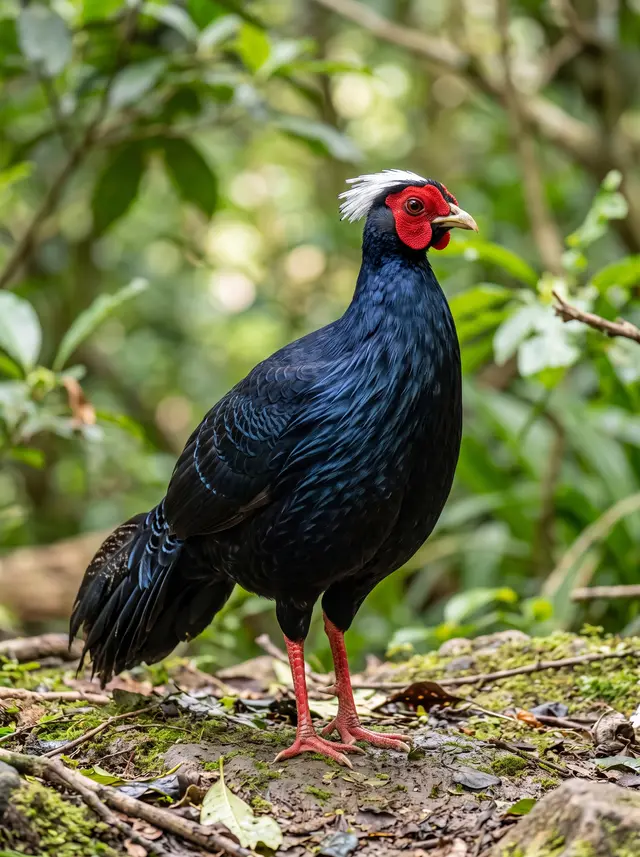
- They weigh approximately 4.3-4.8 kg. Their body length is approximately 93 cm. The male is completely black, and the female can be either black or brown.
- Habitat
- They mainly live in Central America and northwestern South America.
- Diet
- They feed mainly on grain, vegetables, fruit, insects, and invertebrates.
- Reproduction
- They lay two eggs, which they brood for 30-34 days.
- Lifespan
- Approximately 25 years
- Did you know?
- They are a large species of bird and have tasty meat, for this reason they are often hunted by hunters and poachers. Commercial hunting may lead to the depletion of local populations.
Homeland & habitat
Where the great curassow lives
Spin the globe to see where the species comes from and where it lives today.
Central AmericaA large ground-dwelling bird of tropical rainforests and seasonally dry forests from southern Mexico through Central America to northwestern Colombia and Ecuador.
Loading globe…
Native range
Drag to rotate · double-click to recentre on the homeland
10 facts about the great curassow
The cards keep rotating — hover with your mouse to pause them.
- GroupBirdsGalliformes (hrabaví) · Cracidae (hokovití)
- Scientific nameCrax rubraLatin name of the species
- Homeland & habitatTropické deštné lesy, a sezónně suché lesy Střední Ameriky a severozápadu Jižní Ameriky.
- DietBýložravec a všežravec – živí se plody, semeny, listy, hmyzem a drobnými obratlovci.
- ReproductionSamice klade 2 vejce do hnízda ve výšce 3–6 m. Mláďata se rychle vyvíjejí a již po 20 dnech jsou schopna letu.
- Lifespan15–20 let.
- Conservation statusVulnerableAccording to the IUCN Red List
- Did you know…?Je to jeden z největších ptáků Střední Ameriky.
- Where in the zooArea A — aviaries and exhibits
- How many we keep♂ 1 · ♀ 1total: 2
Conservation status
Species vulnerability index
Least Concern
Near Threatened
Vulnerable
Endangered
Critically Endangered
Zranitelný (VU) podle IUCN.
Support the care of our animals
A symbolic adoption contributes to feeding, veterinary care and the development of the exhibits — and you get a certificate and updates about your animal.
Browse adoptions