Carnivores
Serval
Leptailurus serval
When to see us feeding
Regular schedule until 9 October 2026
- Wednesday ·
10 October – 1 November 2026 · During this period, we are open on weekends only.
Times for individual feedings and animal encounters will be available at the entrance on the day of your visit.
Audio guide
Listen to the story of this animal
Serval
- Description
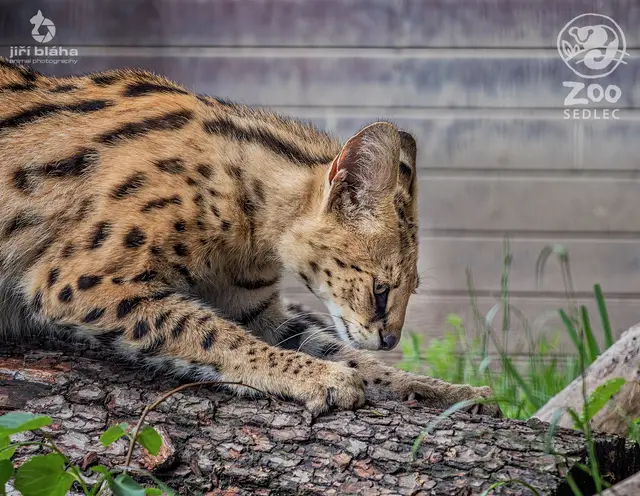
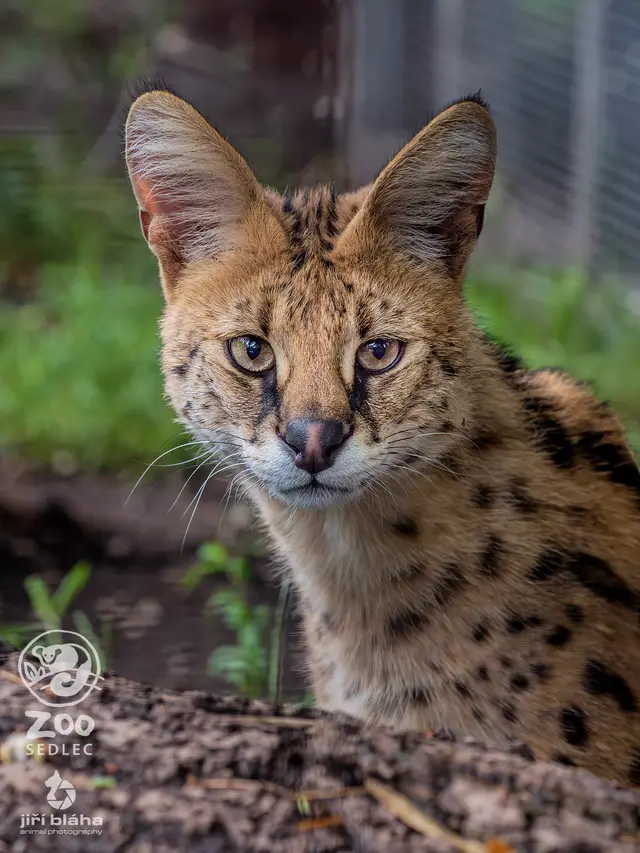
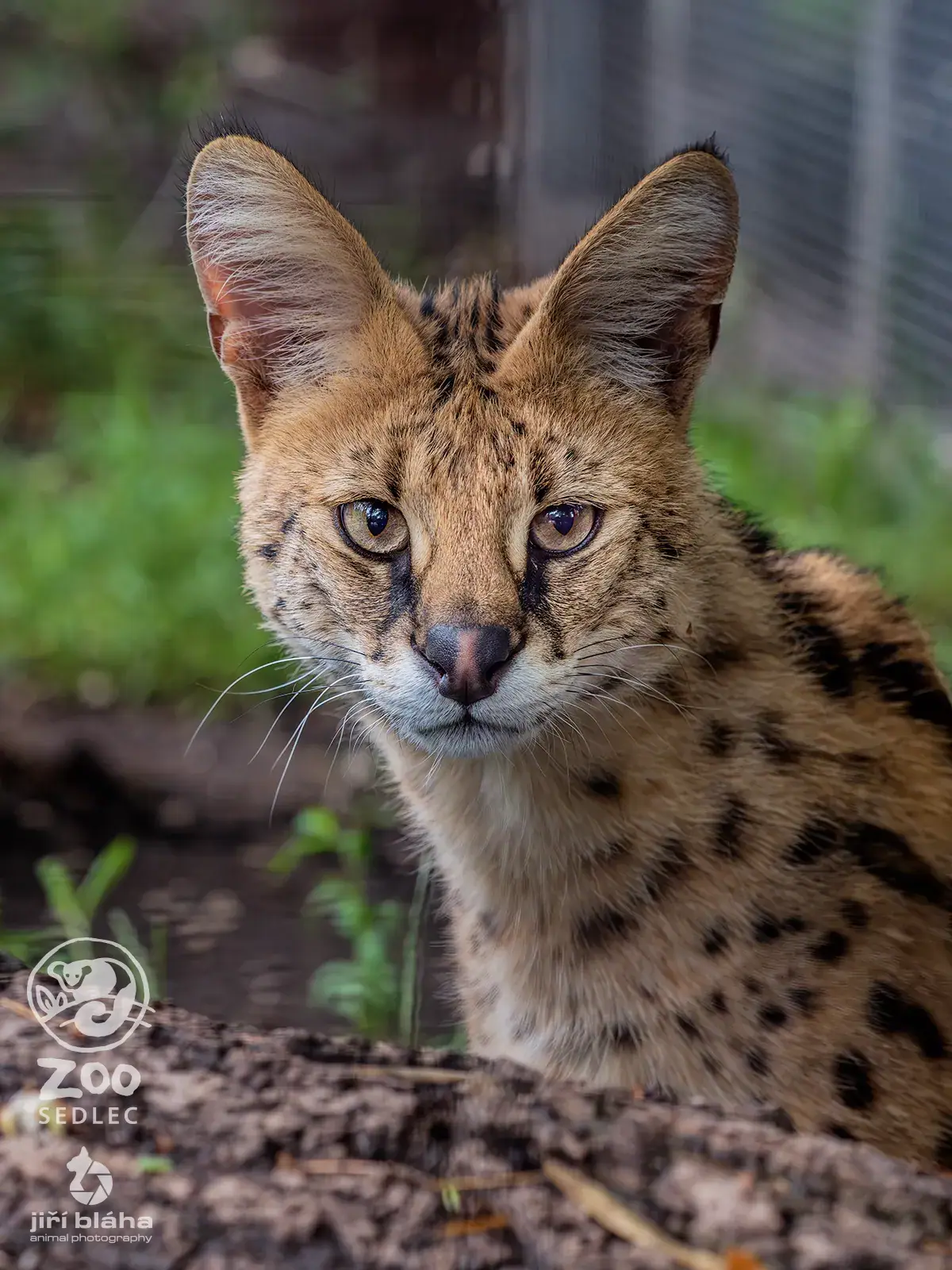
- The serval is a medium-sized African wild cat with a slender body, a small head, and remarkably large, rounded ears. It reaches a body length of 70-100 cm plus a 30-45 cm tail and weighs around 9-18 kg. Its tawny coat is patterned with black spots and stripes that vary from one individual to the next, and it has the longest legs relative to body size of any cat.
- Habitat
- Servals live across sub-Saharan Africa, favouring savannas, grassy steppes, wetlands, and scrubby bush country. They generally stay close to water and prefer areas with tall grass or reeds that provide cover for hunting.
- Diet
- A skilled predator, the serval hunts mainly small mammals such as rodents, along with birds, reptiles, amphibians, and insects.
- Reproduction
- After a gestation of about 65-75 days, the female gives birth to 1-3 kittens, hidden away in dense vegetation or an abandoned burrow. She raises the young entirely on her own, as the male takes no part in rearing them.
- Lifespan
- In the wild servals live around 10 years, while in human care they can reach up to 20 years.
- Did you know?
- Thanks to its exceptionally long legs and powerful hindquarters, a serval can leap up to 3 metres into the air to snatch a bird in flight. Its dexterous front paws are even nimble enough to work simple door handles.
Homeland & habitat
Where the serval lives
Spin the globe to see where the species comes from and where it lives today.
Sub-Saharan AfricaThe serval is an African wild cat inhabiting savannas, grasslands, wetlands and scrub across sub-Saharan Africa, with a relict population in the north of the continent.
Drag to rotate · double-click to recentre on the homeland
10 facts about the serval
The cards keep rotating — hover with your mouse to pause them.
- GroupCarnivoresŠelmy (Carnivora) · Kočkovití (Felidae)
- Scientific nameLeptailurus servalLatin name of the species
- Homeland & habitatVyskytuje se převážně v subsaharské Africe, obývá savany, stepní travnaté oblasti, bažiny i křovinaté porosty
- DietDravec – loví hlavně drobné savce (hlodavce), ptáky, plazy, obojživelníky a hmyz.
- ReproductionBřezost trvá 65–75 dní, samice rodí 1–3 mláďata v hustém porostu či opuštěných norách. O mláďata pečuje sama, samec se na výchově nepodílí.
- LifespanV přírodě kolem 10 let, v zajetí až 20 let.
- Conservation statusLeast ConcernAccording to the IUCN Red List
- Did you know…?serval dokáže otevírat jednoduché kliky na dveřích – jeho přední tlapy jsou dost obratné, aby fungovaly skoro jako ruce.
- Where in the zooArea B — enclosures among the pools
- How many we keep♂ 1 · ♀ 0total: 1
Conservation status
Species vulnerability index
Podle IUCN je druh hodnocen jako Least Concern (málo dotčený)
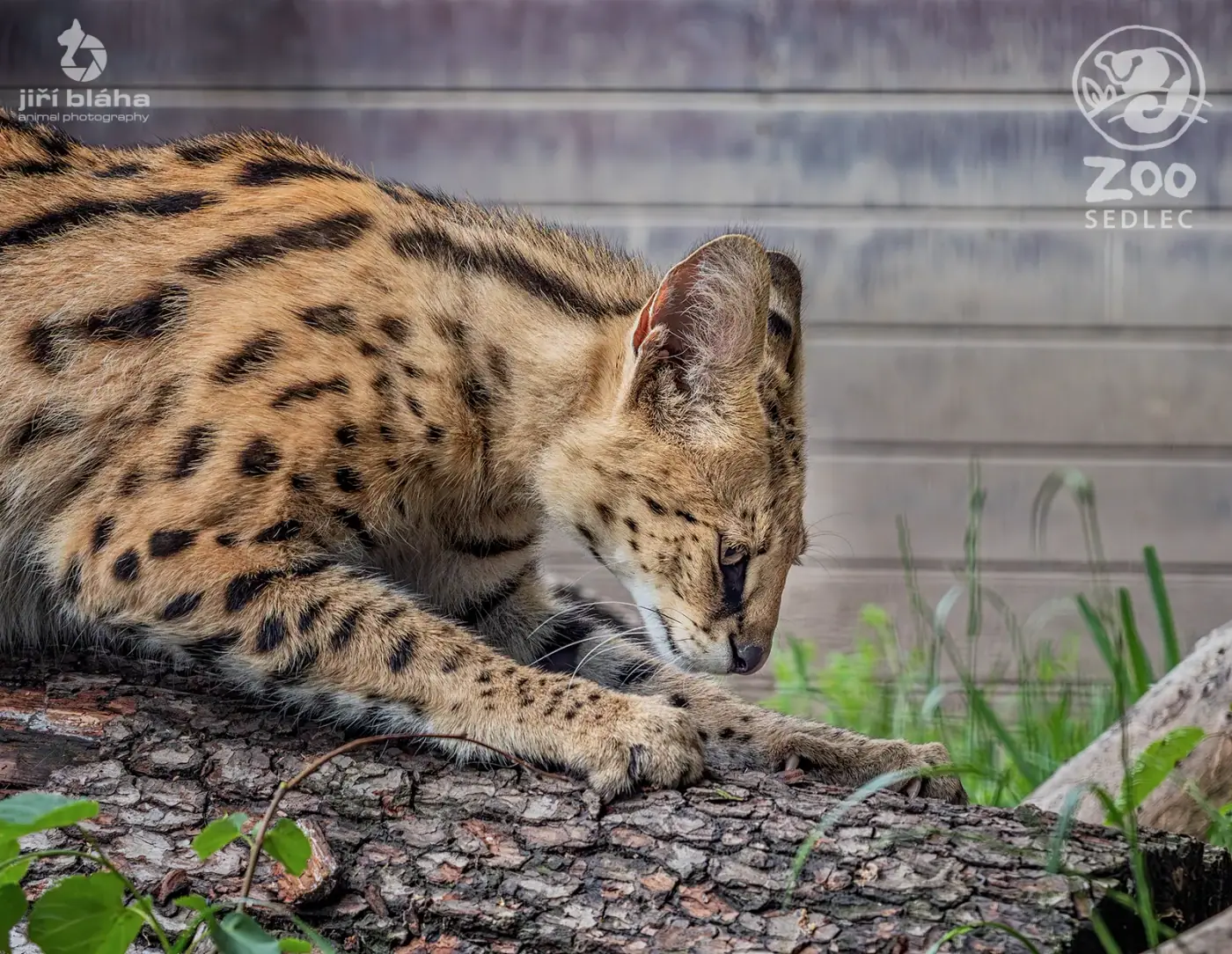
Adopting the serval helps far beyond the zoo
A symbolic adoption contributes to feeding, veterinary care and the development of the exhibits — and you get a certificate and updates about your animal.
Adopt: ServalWho you'll meet nearby
Full encyclopaedia