Carnivores
Meerkat
Suricata suricatta
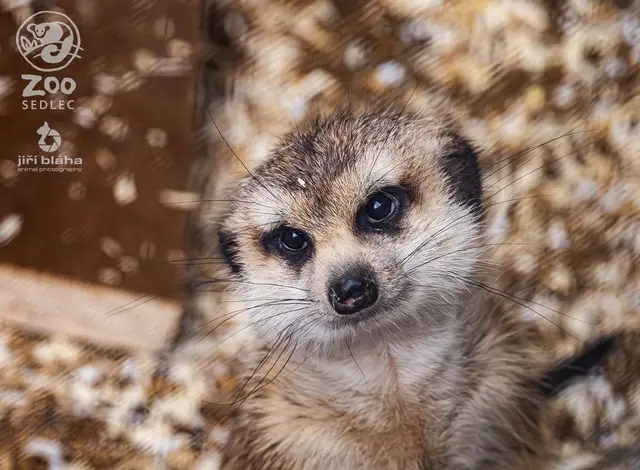
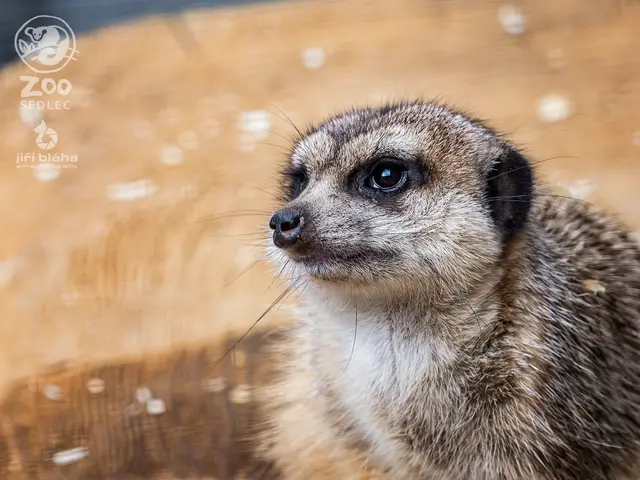
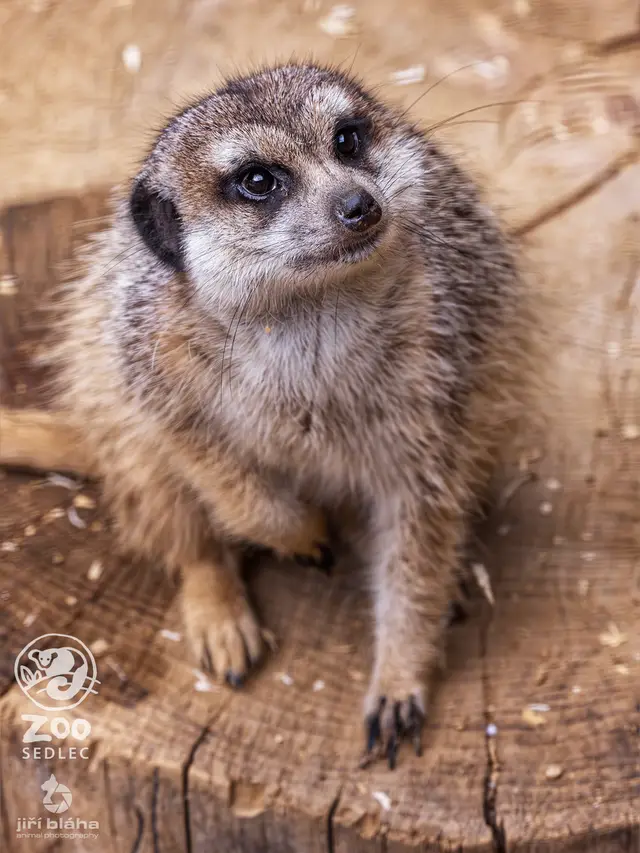
When to see us feeding
Regular schedule until 9 October 2026
- Daily ·
10 October – 1 November 2026 · During this period, we are open on weekends only.
Times for individual feedings and animal encounters will be available at the entrance on the day of your visit.
Audio guide
Listen to the story of this animal
Meerkat
- Description
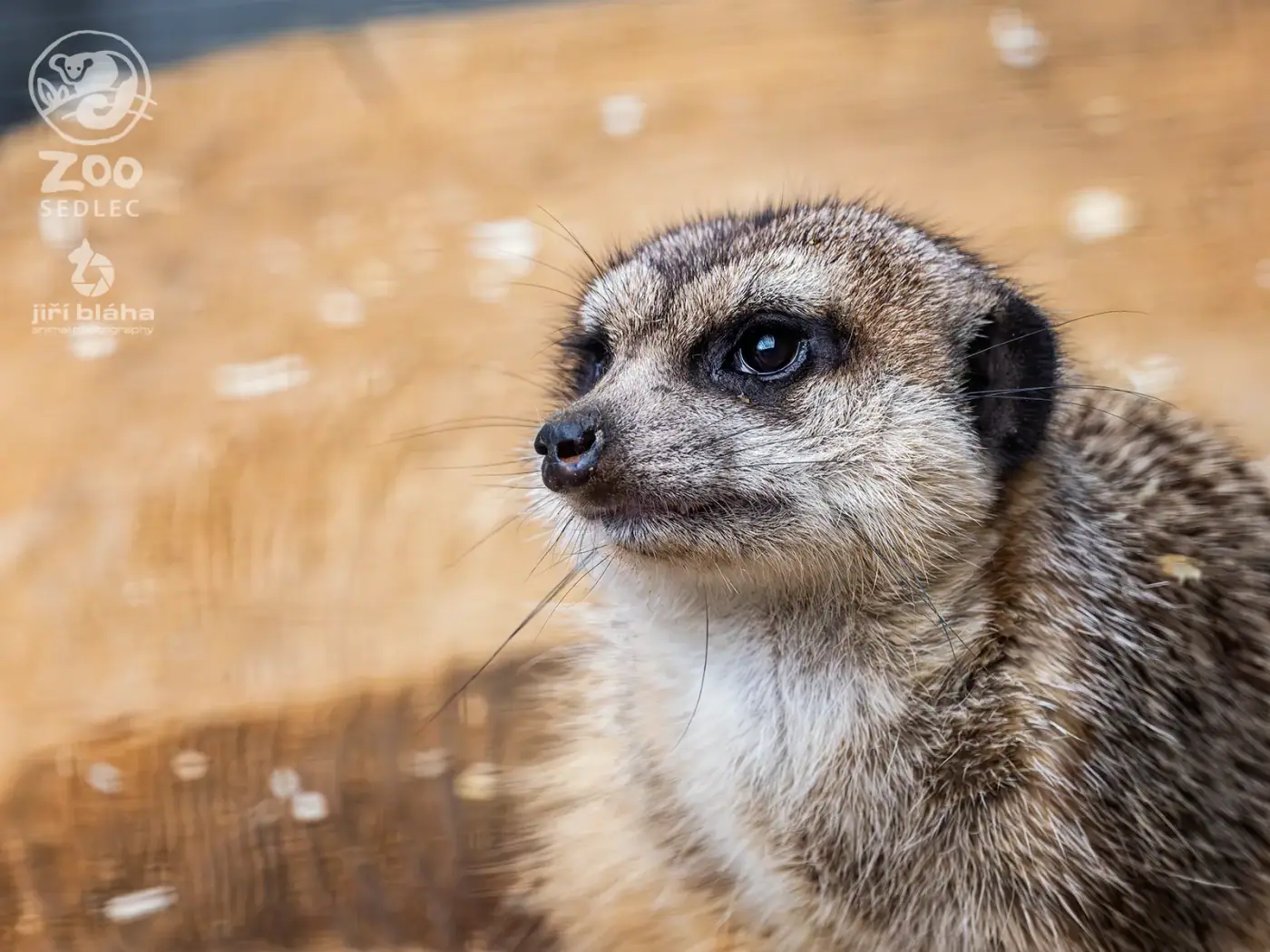
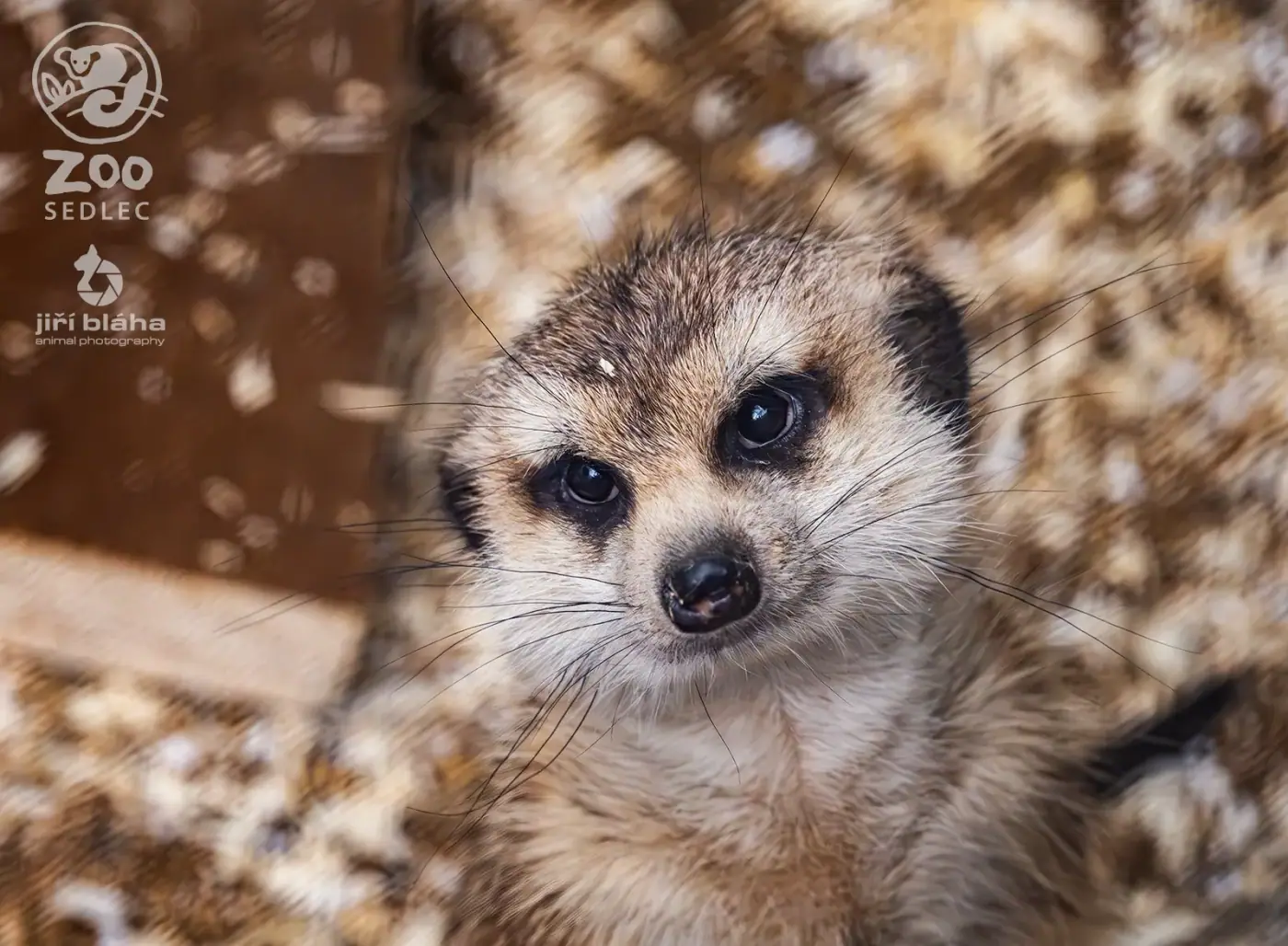
- The meerkat is a small, slender member of the mongoose family, measuring about 24-35 cm in head-and-body length and weighing only around 0.6-0.9 kg. It has a broad head, large dark-ringed eyes, a pointed snout and a thin, tapering tail, with a light brownish coat marked by faint darker bands across the back.
- Habitat
- Meerkats live in the dry, open landscapes of southern Africa, ranging across South Africa, Namibia, Botswana and Angola. They favour savannas, semi-deserts and other arid regions with firm ground where they can dig their extensive underground burrow systems.
- Diet
- They are mainly insectivorous, with beetles, termites and other insects making up nearly 90% of their diet. Meerkats also eat spiders, scorpions, lizards, eggs, small birds and the occasional small snake or rodent.
- Reproduction
- After a gestation of roughly 11 weeks (about 70-77 days), the dominant female usually gives birth to 2-4 pups, and can raise up to three litters a year. The pups are born blind and helpless and are cared for by the whole group, which teaches them to forage and hunt.
- Lifespan
- Meerkats live around 12-14 years, and individuals in zoos have reached even greater ages, with the oldest on record close to 20 years.
- Did you know?
- Meerkats take turns standing guard: while the group forages, a sentry rises upright on a mound or bush to scan for predators and gives distinct alarm calls that warn whether danger comes from the air or the ground.
Homeland & habitat
Where the meerkat lives
Spin the globe to see where the species comes from and where it lives today.
Southern AfricaThe meerkat inhabits the arid semi-deserts, steppes, and savannas of southwestern Africa, from Angola through Namibia and Botswana to South Africa.
Drag to rotate · double-click to recentre on the homeland
9 facts about the meerkat
The cards keep rotating — hover with your mouse to pause them.
- GroupCarnivores
- Scientific nameSuricata suricattaLatin name of the species
- Homeland & habitatV přírodě obývá suché oblasti jihozápadní Afriky – od Angoly přes Namibii a Botswanu až po Jihoafrickou republiku. Vyhledává otevřené polopouště, stepi a savany s písčitým či kamenitým podložím, kde si hloubí rozsáhlé nory. Žije ve smečkách zvaných klany, které mohou čítat i několik desítek jedinců.
- DietSurikata je všežravec s převahou živočišné potravy. Hlavní složkou jejího jídelníčku je hmyz a další bezobratlí – zejména brouci, larvy, pavouci, štíři a stonožky – doplňuje jej drobnými plazy, ptáky, vejci i menšími savci. Příležitostně požírá také kořínky a dužnaté plody.
- ReproductionVe smečce se rozmnožuje především dominantní pár, o mláďata se ale stará celá skupina. Březost trvá přibližně 11 týdnů (zhruba 60–70 dní), po nichž se rodí obvykle 2 až 5 slepých mláďat (výjimečně až 7). Oči otevírají zhruba po dvou týdnech a o dospělé pomocníky jsou v prvních týdnech plně odkázána.
- LifespanV přírodě se surikaty dožívají zpravidla kolem 5 až 10 let, přičemž řada jedinců uhyne mladá kvůli predátorům. V lidské péči, kde jsou chráněny před nebezpečím, se běžně dožívají 12 až 14 let, výjimečně i více.
- Did you know…?Zatímco smečka hledá potravu, jeden z jejích členů se postaví na zadní jako hlídka a vyvýšeným místem obhlíží okolí; při spatření dravce či hada spustí varovný pokřik. Surikaty jsou navíc odolné vůči jedu štírů, které dokážou bez obav lovit.
- Where in the zooArea B — enclosures among the pools
- How many we keep♂ 3 · ♀ 3total: 6
Adopting the meerkat helps far beyond the zoo
A symbolic adoption contributes to feeding, veterinary care and the development of the exhibits — and you get a certificate and updates about your animal.
Adopt: MeerkatWho you'll meet nearby
Full encyclopaedia