Birds
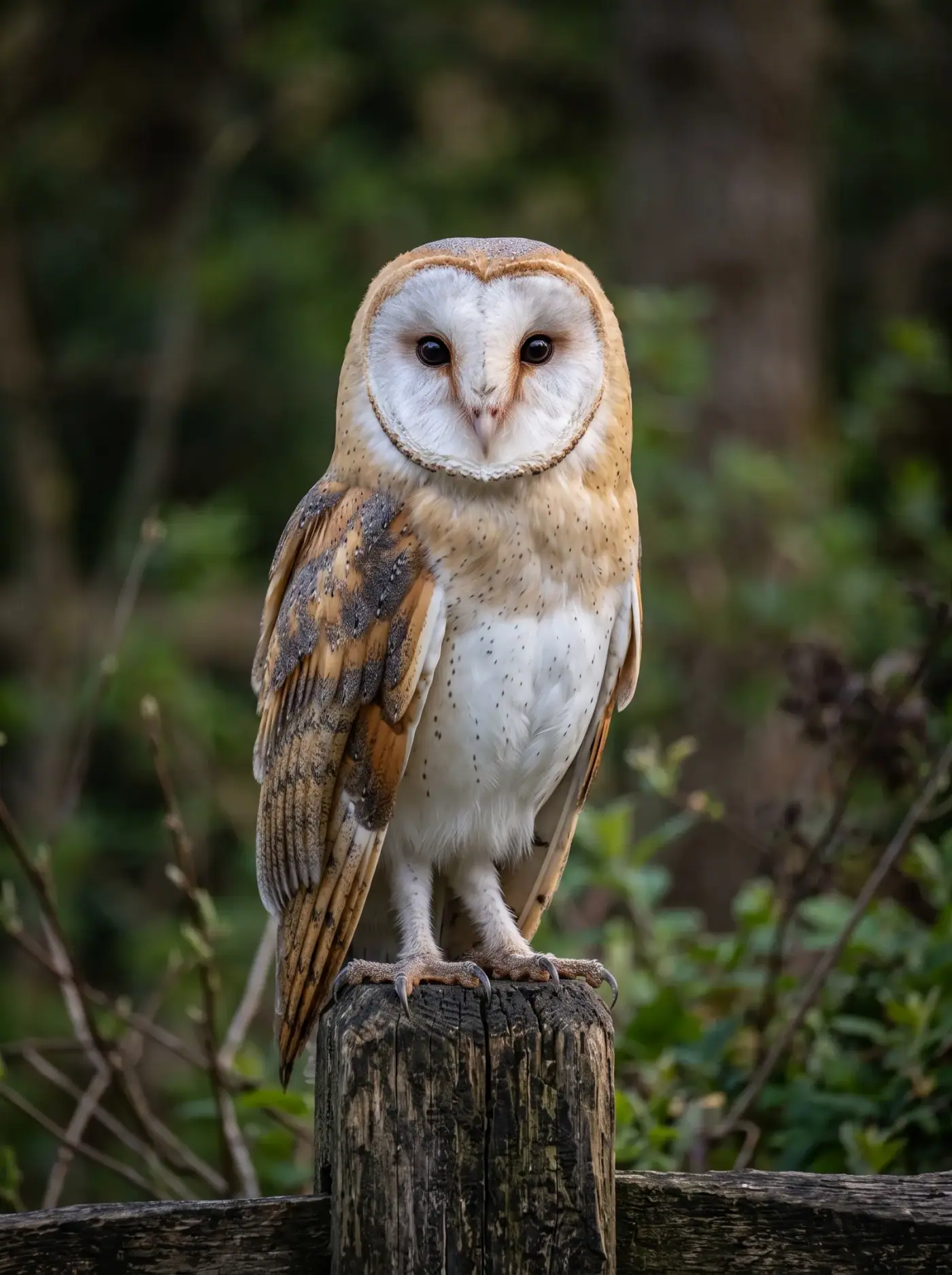
Western barn owl
Strix aluco
IUCN Red ListLeast Concern
Audio guide
Listen to the story of this animal
0:000:00
Western barn owl
- Description
- A medium-sized, slender owl with long legs. Their body length is 33–39 cm. Their weight varies between 200 and 400 g. They are gray and ocher on top, and either pure white or yellow-orange underneath, depending on the subspecies. They have heart-shaped heads.
- Habitat
- They inhabit several biotopes on every continent except for Antarctica.
- Diet
- They feed mainly on rodents, small birds, amphibians, and small mammals.
- Reproduction
- They lay between three and ten eggs, which they brood for 30-34 days.
- Lifespan
- Approximately 10 years
- Did you know?
- In the Czech Republic, the owl is especially protected as a highly endangered species pursuant to Decree No. 395/1992 Coll.
Homeland & habitat
Where the western barn owl lives
Spin the globe to see where the species comes from and where it lives today.
Europe and temperate AsiaThe tawny owl inhabits forests of all types across Europe, North Africa and temperate Asia to Korea.
Loading globe…
Native range
Drag to rotate · double-click to recentre on the homeland
10 facts about the western barn owl
The cards keep rotating — hover with your mouse to pause them.
- GroupBirdsStrigiformes (sovy) · Strigidae (sovy pravé)
- Scientific nameStrix alucoLatin name of the species
- Homeland & habitatLesy všech typů
- DietHlavně malí savci
- Reproductionsnáší 2–4 vejce, inkubace 28–30 dní.
- LifespanV přírodě 10–15 let, v zajetí až 20 let.
- Conservation statusLeast ConcernAccording to the IUCN Red List
- Did you know…?Je to noční predátor s vynikajícím sluchem a tichým letem díky speciálně strukturovaným perům.
- Where in the zooArea A — aviaries and exhibits
- How many we keep♂ 1 · ♀ 1total: 2
Conservation status
Species vulnerability index
Least Concern
Near Threatened
Vulnerable
Endangered
Critically Endangered
LC – málo dotčená (Least Concern) podle IUCN.
Support the care of our animals
A symbolic adoption contributes to feeding, veterinary care and the development of the exhibits — and you get a certificate and updates about your animal.
Browse adoptions